Why Invest in Multi-Tier SEO Data Now?

It's also the version that's hardest to phony which is precisely why it still works.
Google AIO organic outcomes are acquiring ground on the search panorama. We still have a fragmented view on how to match them up with SEO optimization. The objective of this short paper is to extrapolate what 2024 has informed us about SEO for Google AIO and condense it into a proprietary synthesis of insights.

After evaluating these industry-leading reports, the mantra is: write long, search low and mobile. The sources and the methodoligies embraced are at completion of this document. A look into Google AIO Data from SurferSEO Data from Semrush Data from Ahrefs Data from SEranking Parsed Insights: Raw information comparison, SEO criteria, Stakeholders objectives and Metrics connection Perk Subject - Advertising in Google AIO Research approaches Currently active in more than 100 nations, consisting of the United States and leaving out the European territory, Google AIO (formerly SGE) runs to place as the very first AI engine, contending against other cutting edge systems like Bing, Search GPT and Perplexity.
Alphabet's AI system offers several features that invade the SERP whenever an inquiry triggers an AIO result, making digital stakeholders question if SEO as we know it will alter forever. For now, let's reduce the guesswork to the minimum and extract what value we can from the observations of SurferSEO, Semrush, SEranking, and Ahrefs, gamers that have all incorporated at least one fundamental function to track AI-based search results page in their platforms.
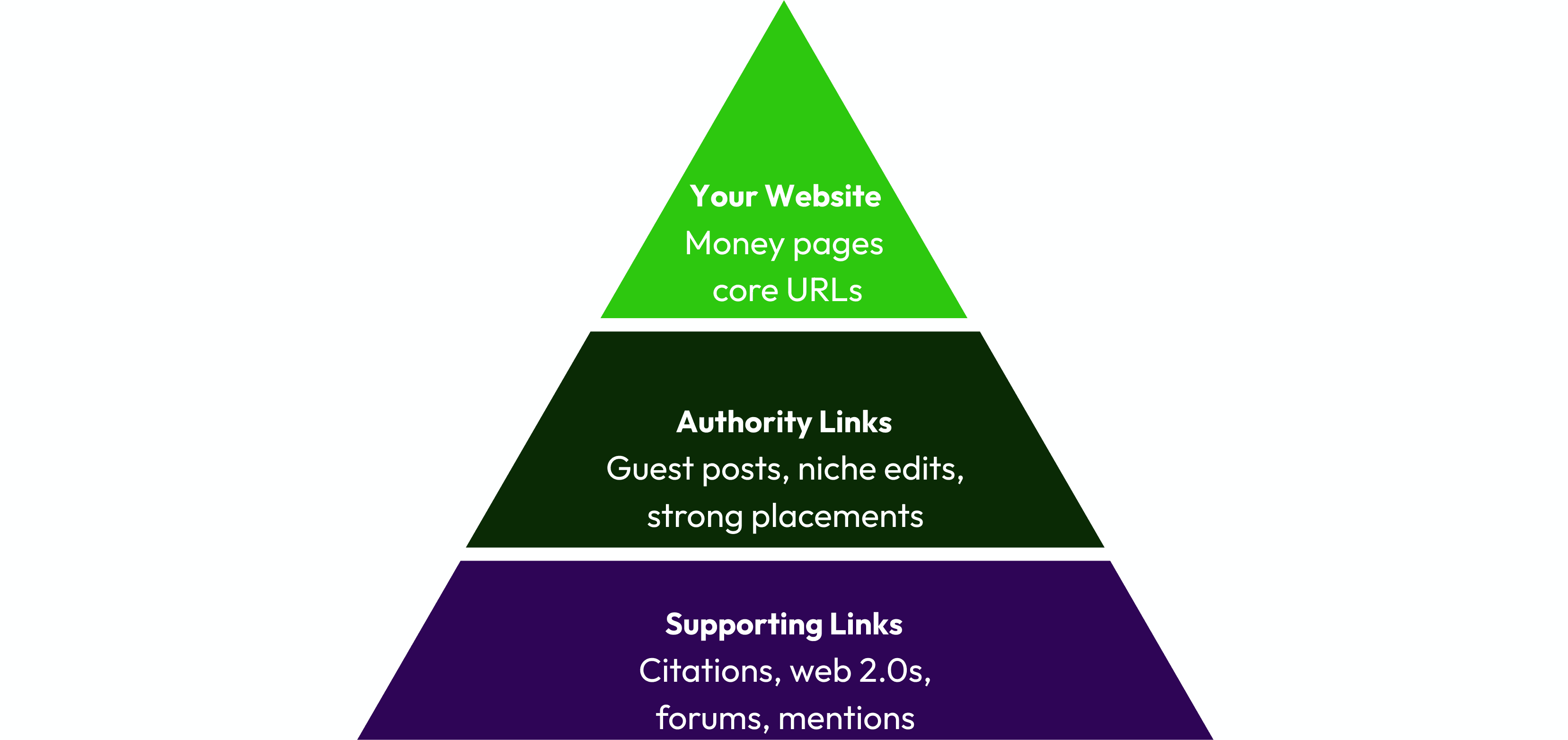
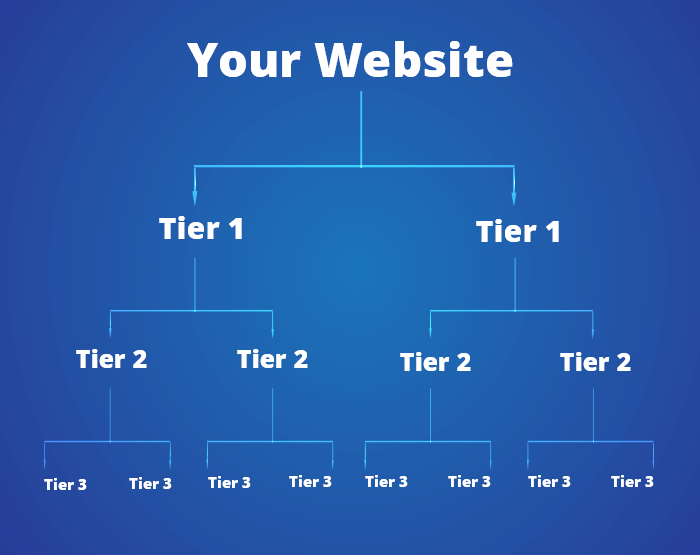
Essential Strategic Elements of Robust Backlink Design
Leading section of Google AIO's SERP SurferSEO released a comprehensive analysis that focuses on portraying Google AIO's aspect. Let's break it down by the most appropriate subtopics. Structure of AI Overviews Results - Many Common Formats 61% use ordered lists. 21% have no list. 12% usage unordered lists. 6% integrate purchased and unordered lists.
ready to restore .ser fileTypically, AI overviews point out 5 sources per inquiry. 52% of sources mentioned by Google AI overviews rank in the top 10 results Length and Material of AI Overviews AI introductions average 157 words and 99% of answers are under 338 words They include about 984 characters 99% of AI sources are referenced at least as soon as per response.
71% of the time, top 10 domains rank for more keywords than those excluded. Just 0.3% of AI summaries come from UGC or a user-generated source.