Scaling Technical SEO Footprints through Automation

The objective is not ideal attribution (frequently impossible), however decision-grade clarity: where natural contributes across the funnel, where it overlaps with paid, and which content clusters correlate with certified pipeline. Ruler Analytics keeps in mind numerous business utilize multi-touch models, but, highlighting the requirement for dashboards that are not just data discards.
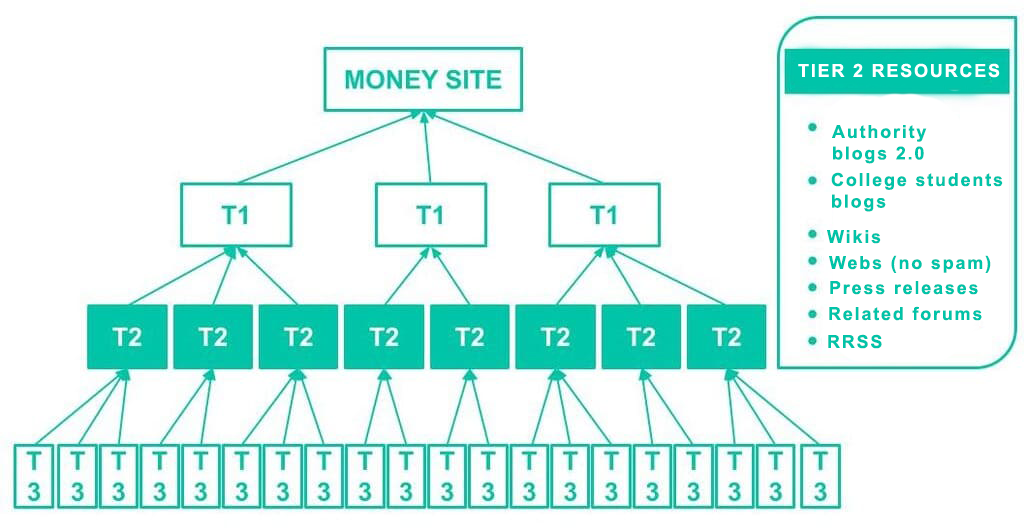
what's included GSA SER projectMarket commentary (and day-to-day enterprise truth) suggests marketing groups progressively count on first-party information, designed conversions, and aggregated reporting. Seafoam Media's 2026 marketing notes point towards first-party focus and AI-generated insight layers as a practical reaction to signal loss.In that environment, SEO reporting tools that can integrate firmly with owned systems (CRM, information storage facilities, marketing automation) become better than tools that just report keyword positions.
Reporting becomes a control system as much as an exposure system. Gartner predicts, indicating a relocation toward story, proactive analytics instead of fixed control panels. Enterprise stakeholders significantly expect notifies, descriptions, and suggested next stepsbecause groups are doing more with fewer individuals and since SERP volatility demands much faster response cycles.
Advanced Methods to Map SEO Footprints at Scale
This is specifically appropriate when AI Overviews or other features shift quickly and affect performance before a monthly report is even set up. The platform's AI layer must be treated as choice support, not a replacement for analysts: it needs to appear patterns and hypotheses, while still permitting groups to confirm with underlying data and controlled definitions.
what's included GSA SER projectCross-channel and revenue accountability trends reveal numerous groups still fail at holistic measurement, so a tool that just does SEO metrics can be insufficient if the executive KPI is pipeline or CAC.Evaluate combination by asking: Does it natively connect to core sources, or will you depend on exports? Can it mix SEO with CRM phases (MQL SQL Closed Won) to support CFO analysis? Does it support APIs, information warehouses, and governance (permissions, audit logs)? Even when tools integrate, examine the "last-mile" problem: can it reconcile naming conventions, project taxonomy, and multi-domain structures without a data engineering project? For international business, the most pricey failure mode is not missing out on a featureit's constructing a reporting stack that no one trusts.
Gartner's forecast of declining traditional search volumes and the documented click suppression from AI Overviews makes "AI-surface presence" a genuine reporting classification. If the tool can't straight determine AI citations, it should at minimum assistance a framework for AI visibility KPIs (share-of-impressions, brand name mentions-to-clicks ratio, entity coverageanalysis lined up to market implications mentioned in research).
Because CFO reviews prevail and budget plan threat is connected to showing income impact, the platform should support attribution logiceven if imperfect. Forrester highlights holistic income modeling and pipeline-level forecasting expectations in marketing measurement. The point is not "SEO triggered this deal," but "SEO influenced earnings outcomes with defensible methodology."Search for: Chance value mapping (material conversion pipeline stage). Forecasting that ties exposure or material protection to anticipated pipeline (with presumptions stated). Friend and assisted-path reporting so SEO isn't evaluated just by last click.
SEO reporting is operational, not just executive. Gartner's forecast that AI will generate more analytics content by 2027 aligns with a wider shift toward automated insights, anomaly detection, and collaborative workflows. In procurement terms, weigh not just the tool's data charts, however whether it decreases time-to-action and supports repeatable procedures throughout content, technical SEO, and analytics teams.
Comparing Automated SEO Project Building for 2026
Gartner's forecast of decreasing traditional search volumes and the recorded click suppression from AI Overviews makes "AI-surface exposure" a real reporting classification. If the tool can't straight measure AI citations, it ought to at minimum assistance a framework for AI presence KPIs (share-of-impressions, brand mentions-to-clicks ratio, entity coverageanalysis aligned to industry implications cited in research).
Since CFO evaluations prevail and budget danger is tied to proving profits impact, the platform needs to support attribution logiceven if imperfect. Forrester highlights holistic income modeling and pipeline-level forecasting expectations in marketing measurement. The point is not "SEO caused this deal," however "SEO affected profits results with defensible approach."Search for: Chance worth mapping (content conversion pipeline stage). Forecasting that connects visibility or material coverage to anticipated pipeline (with presumptions mentioned). Accomplice and assisted-path reporting so SEO isn't judged only by last click.
SEO reporting is functional, not just executive. Gartner's projection that AI will produce more analytics material by 2027 aligns with a more comprehensive shift towards automated insights, anomaly detection, and collective workflows. In procurement terms, weigh not only the tool's data charts, however whether it minimizes time-to-action and supports repeatable processes across material, technical SEO, and analytics groups.